
The Current State of UK Horse Racing What’s Not Happening 463442078
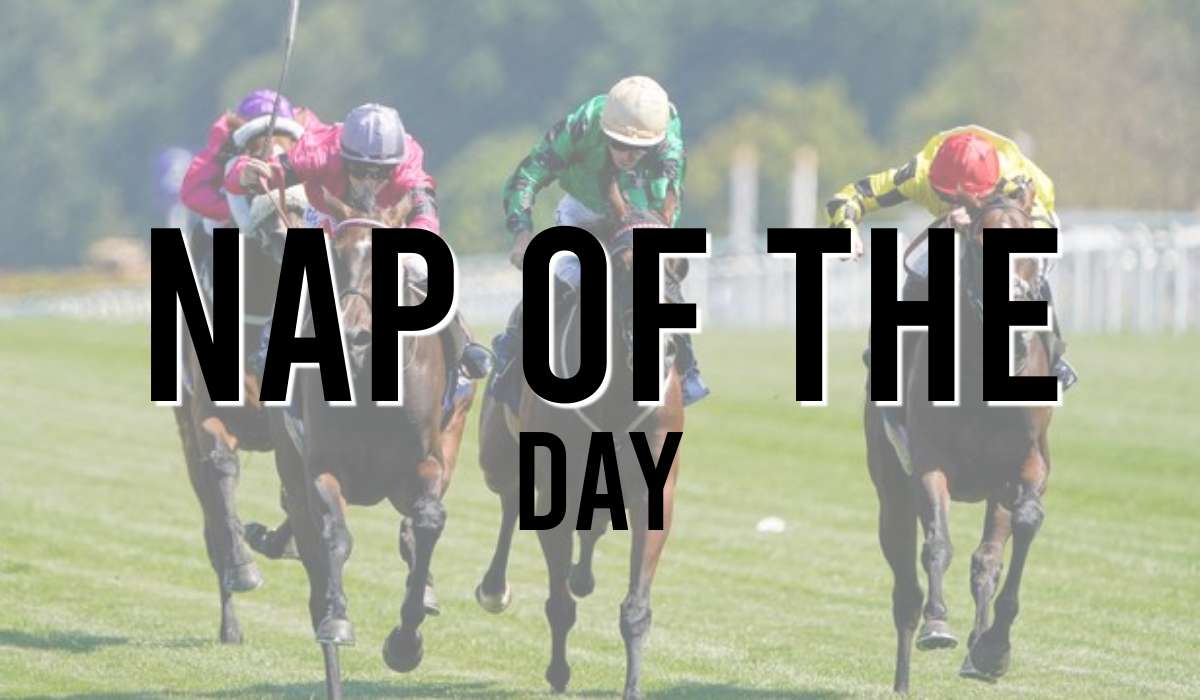
The Current State of UK Horse Racing: What’s Not Happening
The UK horse racing scene, recognized for its rich history and cultural significance, is currently grappling with a multitude of challenges that have led to disruptions in the racing calendar. From adverse weather conditions to financial woes, various elements are conspiring to create a situation where races are not taking place as expected. The need for horse racing enthusiasts to stay informed is paramount, especially during these tumultuous times. For further information on related topics, visit UK Horse Racing Not on GamStop fed-cornishchoirs.org.uk.
1. Weather Challenges
Weather is one of the most unpredictable factors in horse racing. Heavy rains, snow, and extreme temperatures can lead to race cancellations or postponements. The British weather is notorious for its variability, and in recent months, inclement weather has affected many scheduled events across the UK. Racecourses have had to make difficult decisions on whether to proceed with events, often prioritizing the safety of both horses and jockeys. Ground conditions can deteriorate rapidly, making it unsafe for competitive racing.
2. Financial Impacts
The horse racing industry has faced significant financial strain in recent years. Economic fluctuations, exacerbated by the COVID-19 pandemic, have affected funding for many racecourses. With limited spectators allowed at events during peak pandemic times and ongoing financial uncertainty, many racecourses struggle to maintain their operations. This has led to potential race meetings being canceled or rescheduled as venues navigate their financial futures.
3. Regulatory Changes
The regulatory environment governing horse racing in the UK has also seen shifts that could impact the number of races conducted. New guidelines and rules aimed at improving safety and welfare standards for horses may require adjustments to training practices and race formats. As governing bodies evaluate and implement these regulations, the practical implications could mean fewer races or a reallocation of resources that typically support a fuller racing calendar.
4. The Rise of Virtual Racing
The rise of virtual racing and digital platforms has emerged as a potential alternative to traditional racing. While it offers a solution to the issues currently faced, it does not replicate the authentic thrill of watching live races. Virtual racing may alleviate some of the pressures on racecourses, but it also raises questions about the long-term sustainability of live events. Many fans crave the unique atmosphere of attending a live race, complete with the excitement of the crowd and the ritual of placing bets in person.
5. Impact on Jockeys and Trainers
Jockeys and trainers are feeling the effects of the uncertainties in the racing calendar. With fewer races, the opportunities for these professionals to showcase their skills and earn income are reduced. This could lead to a talent drain, as jockeys and trainers seek opportunities in other countries or even in different sports altogether. The ripple effect of fewer races can be damaging not only to individuals but to the racing industry as a whole, as it risks losing its depth of talent.
6. Fan Engagement
Engagement with fans is crucial for any sporting event, and the horse racing industry must find innovative ways to maintain interest despite cancellations. Many organizations have turned to social media and online platforms to interact with fans, share updates, and create a community spirit. None of this can entirely replace the experience of being at a live event, but it is an essential step in keeping the spirit of horse racing alive. Racing organizations also need to be proactive in communicating changes to schedules and initiatives to keep fans informed and engaged.

7. The Future of UK Horse Racing
The future of horse racing in the UK remains uncertain. As weather challenges, financial impacts, and regulatory changes converge, the industry must adapt to survive. The resilience of the racing community will be tested, but there are positive signs. Many racing organizations are actively seeking solutions to these challenges, including investment in infrastructure and creative marketing strategies to appeal to a broader audience. It is critical for the industry to remain agile and forward-thinking to navigate the difficulties it faces.
Conclusion
Horse racing in the UK is at a crossroads. While the immediate future may seem bleak due to cancellations and various challenges, there is still hope for recovery and revitalization. A strong commitment to safety, financial stability, and fan engagement will play an essential role in shaping the future of the sport. As fans, stakeholders, and industry professionals come together, there is the potential to emerge from these turbulent times with a renewed spirit and commitment to horse racing. Only time will tell how the industry adapts, but there is no doubt that passion for the sport will continue to fuel its evolution.